
Turning your home into a solar-powered haven is a significant move towards green living, where sunlight is plentiful. Home Solar Basics offers a roadmap for homeowners to tap into this renewable resource, blending savings with major green perks. Learning about the upfront costs and the lasting eco-friendly benefits sheds light on how going solar not only trims down utility bills but also paves the way for a healthier planet. As more folks lean into clean energy, exploring the fiscal and environmental effects of home solar setups reveals a promising path for personal and global well-being.
Grasping Home Solar Basics Solar Energy and Photovoltaics
Solar energy stands as a critical player in the push for renewable resources. At its core, photovoltaic technology transforms sunlight straight into power. This innovation reduces our fossil fuel use and lessens the environmental toll of our energy habits.
Solar panels, made of cells made from materials like silicon, convert sunlight into electric energy. These cells are nestled in glass, with a back sheet and metal frame for extra strength. The magic happens through the photovoltaic effect, turning sunbeams into a clean, potent energy source.
Knowing solar energy and photovoltaic basics can help homeowners embrace solar power, steering us toward a sustainable future.
Exploring Home Solar Basics Panel Types and Their Efficiency
Homeowners are increasingly looking to solar energy for a greener lifestyle and renewable power solutions. Knowing the different solar panel types and their efficiency is vital for a choice that suits one’s specific needs and budget.
Here is a brief on the main types
Monocrystalline Solar Panels
- High efficiency (15% to 24%)
- Sleek, uniform, dark appearance
- Pricier, best for small spaces
Polycrystalline Solar Panels
- Fair efficiency (12% to 16%)
- The blue, speckled look
- More budget-friendly, eco-friendly waste levels
Thin film Solar Panels
- Lesser efficiency (7% to 13%)
- Light, bendable
- Ideal for big commercial plans
Picking the right solar panel type involves matching it to your home’s space, climate, and budget.
Diving Into Home Solar Basics Environmental Impact and Sustainability
Home solar systems shine as a beacon for a more sustainable, eco-friendly tomorrow. Solar power offers vast environmental and sustainability perks, offering a sure route to shrinking our carbon footprint and softening climate change’s blow.
A standout advantage of home solar setups is their role in lowering greenhouse gas emissions. Traditional power generation leans heavily on fossil fuels, the major culprit behind carbon dioxide and other harmful emissions. Solar panels, however, generate clean, renewable energy without releasing any greenhouse gases during operation. This switch to solar is pivotal in our climate fight.
Solar solutions also lessen our dependency on limited resources. Fossil fuels, besides being environmentally damaging, are finite. Solar power, on the other hand, taps into the endless energy of the sun. It is a sustainable choice that promises to fulfill our energy needs without exhausting natural reserves.
Home Solar Basics System Choices for Different Home Styles
When eyeing a switch to solar power, homeowners face a spectrum of system options, each tailored to various home styles and energy demands. The path to sustainable living via solar is not a one-size-fits-all affair. It demands careful consideration of which system aligns best with one’s home and lifestyle.
When eyeing a switch to solar power, homeowners face a spectrum of system options.
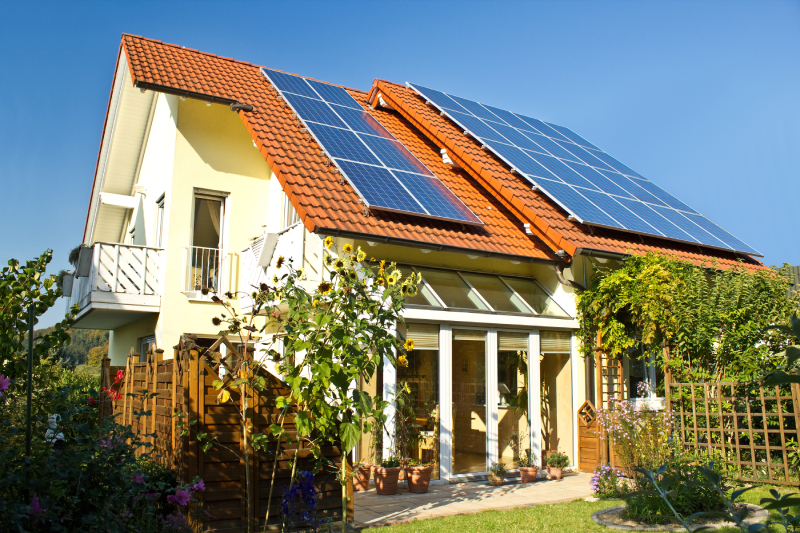
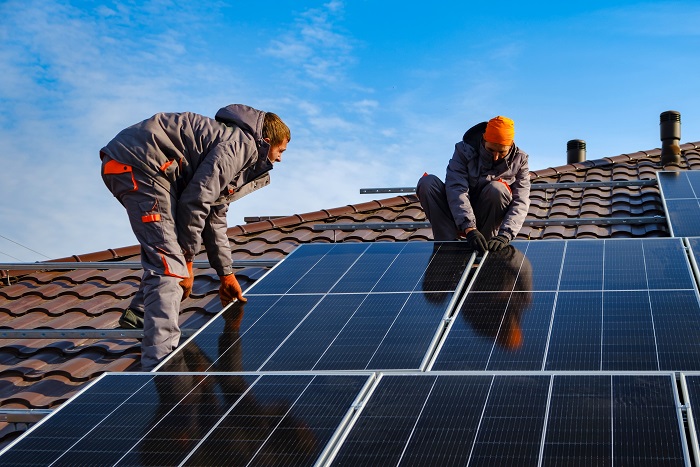
Rooftop Solar Panels
- Best for sun-facing roofs
- Ensures top energy yield
Ground-mounted Solar Systems
- Fits homes with enough yard space
- Allows sun-targeted placement
Community Solar Projects
- For those with panel placement issues
- Provides lowered electricity costs
Choosing the suitable solar panel system hinges on your home’s unique needs, location, and power use habits.
Read More : Exploring the World of Safety Certifications in Green Building
Home Solar Basics Evaluating Solar Potential for Your Home
Assessing your home’s solar potential involves looking at factors like roof direction, local weather patterns, and possible sunlight blockers like tall structures or trees. Ideal roofs face south, basking in maximum daily sunlight. Yet, homes without the perfect south-facing roof can still harness solar power effectively, thanks to solar tech advancements and diverse panel types designed for various conditions.
Choosing the proper solar setup is crucial for optimal energy generation. The decision between rooftop and ground-mounted panels, for example, depends on your property specifics and personal preferences. Rooftop panels are popular, fitting homes with enough unshaded roof area. For those facing roof space limitations or rental agreement constraints, community solar projects provide an alternative means to enjoy solar benefits without direct panel installation.
Various tools and professional services exist to aid homeowners in gauging their solar potential and making informed choices. Online solar calculators give preliminary energy production and savings estimates based on location and roof traits.
With the right approach and resources, transitioning to solar power can be seamless and beneficial.
Powering the Future Embrace Solar Today
Discovering home solar basics unveils a narrative of innovation, sustainability, and economic sense for homeowners. Moving towards solar energy in our residences signifies a more significant commitment to ecological care and cost efficiency. These systems reduce reliance on nonrenewable power sources and offer a practical means to join the fight against climate change. With each home that looks to the sun, we inch closer to a sustainable, budget-friendly tomorrow. Starting this transformation requires a simple action: seeking expert advice to customize solar solutions to our unique situations.