
The United States is at a crossroads in its journey toward environmental care, facing a pivotal decision to opt for connected (on-grid) or off-grid on-grid) or off-grid solar setups. Each path offers unique ways to capture sunlight’s power, yet they differ greatly in method, perks, and hurdles. On-grid solutions allow interaction with the public power supply, rewarding users financially via net metering. Meanwhile, off-grid options ensure self-reliance by storing solar energy, which is crucial for isolated spots. This analysis highlights the practical sides of each choice, emphasizing their part in fostering a greener tomorrow. One commits to a sustainable way of life by choosing between on- and off-grid solar setups in the United States. Our discussion will provide the necessary insight for making choices that reflect individual values and situations.
Understanding Solar Energy Connected Vs. Off-grid Fundamentals
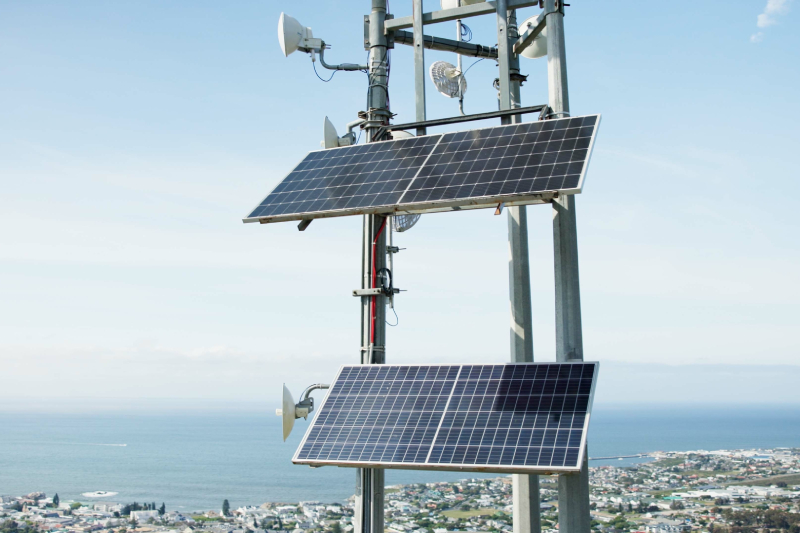
Solar power emerges as a key player as the United States shifts towards a sustainable lifestyle. Solar setups, which convert sunlight into electric power, come in two varieties: grid and off-grid. On-grid versions link to the public power network, allowing owners to return surplus power for credits. This connection aids in creating a more eco-friendly power grid. In contrast, off-grid versionsOff-grid work apart from the utility grid, keeping solar energy in batteries for round-the-clock use, a boon for places with frequent blackouts or no grid access. Grasping these basics is crucial for anyone in the United States looking to make an educated solar energy choice.
Comparing Connected Vs. Off-grid Solar Systems
Choosing solar power in the United States involves a critical decision: should one go on or off the grid? This choice impacts the environment, finances, and one’s way of living.
Diving into the distinctions between on-grid and off-grid solar options, we aim to clarify which might better meet your requirements.
On-grid solar setups
- Known for cost savings and ease, particularly in cities.
- Foster a give-and-take with the grid, gaining credits via net metering.
- Relying on the grid might lead to blackout issues if not backed by batteries.
Off-grid solar setups
- Guarantee total power self-reliance, perfect for far-off places.
- It depends on batteries to store solar power and ensure a steady energy flow.
- Initial costs and upkeep are higher, yet they are reliable in blackout-proneblackout-prone zones.
Grasping these contrasts aids anyone in the United States pondering solar power, which influences not just environmental impact but also financial and lifestyle outcomes.
Financial Aspects of Solar Systems in the United States
Delving into the financial elements of solar setups in the United States uncovers key factors steering decision-making. These include
State support for solar installations
- Subsidies and tax perks considerably lower upfront costs.
- The Solar Investment Tax Credit (ITC) scheme reduces taxes due.
Expense differences between on-grid and off-grid setups
- On-grid options are less costly at the start.
- Off-grid choices, despite higher initial expenses, lead to self-sufficiency.
Long-term economic gains from both setups
- For on-grid setups, owners sell extra power back to the grid.
- Off-grid setups cut ties with utility bills, aiding in future savings.
Considering these financial points helps owners and companies choose a solar setup that matches their energy requirements and budgetary constraints.
Read More : Exploring Solar Panel Costs and Savings for Your Home
Installation and Regulations for Solar Systems
Understanding the setup and rules surrounding solar systems in the United States requires knowledge of several key areas
Setting up grid systems
- Dealing with local net metering policies and ensuring safety standards are met.
Off-grid system compliance and safety
- Adhering to both national and global guidelines is necessary.
The role of top-notch equipment and inverters
- Advanced inverters are vital for turning direct current into alternating current.
Knowing these technical and rule-based aspects is vital for anyone wishing to adopt solar power. It guarantees a safe and compliant installation that meets both local and international norms.
Navigating Your Solar Journey in the United States
The debate between connected and off-grid solar becomes crucial as the United States moves towards a brighter, greener future. Each option brings unique benefits catering to various needs, preferences, and green impacts. On one side, grid setups blend smoothly with existing infrastructure, easing costs through net metering while aiding in sustainable grid growth. Off-gridively off-grid setups offer power self-reliance, cutting off public grid dependence with a proactive stance on energy generation and storage. This guide has lit the way for those aiming to contribute to a sustainable tomorrow, emphasizing the need to match system selections with personal, financial, and green objectives. Shifting to solar power in the United States is not merely a choice between connected or off-grid. It is a conscious step towards ecological duty and sustainability.