
Imagine a world where each home draws its power not from distant, smoke-spewing plants but directly from the earth, sun, wind, or water. This vision is becoming a reality for more and more homeowners, particularly those in remote spots. They are moving towards renewable energy to power their homes efficiently, trim down their utility bills, and step lightly on the earth. This shift is not without its hurdles, yet it opens up possibilities. Geothermal, solar, wind, hybrid, and hydropower stand out as beacons of hope. Let us dive into this exploration, where the variety in renewable technologies heralds a bright prospect for those willing to go green.
Comparing Renewable Options for Remote Homes An Overview
Five renewable energy choices stand out for remote homes, each suited to different environments and needs
- Geothermal systems
- Solar energy
- Wind energy
- Hybrid systems
- Hydropower
Thanks to technological leaps and cost drops, these renewable options are more accessible than ever. Solar energy has become more budget-friendly, and innovations in geothermal and wind technologies have made them practical for home use.
Geothermal Systems Harnessing Earths Heat for Remote Homes
Geothermal energy taps into the earth’s steady subsurface temperature for home heating and cooling, a boon for isolated spots. A network of underground pipes uses this stable warmth to regulate indoor temperatures in an eco-friendly way.
During warmer months, this process is reversed to cool the home.
Benefits include
- Efficient temperature control using the earth’s constant warmth
- Long-term cost savings despite the upfront investment
- Lower greenhouse gas emissions, boosting environmental health
With renewable tech advancements, homeowners have more ways to power their homes sustainably.
Solar Power A Bright Future for Remote Homes
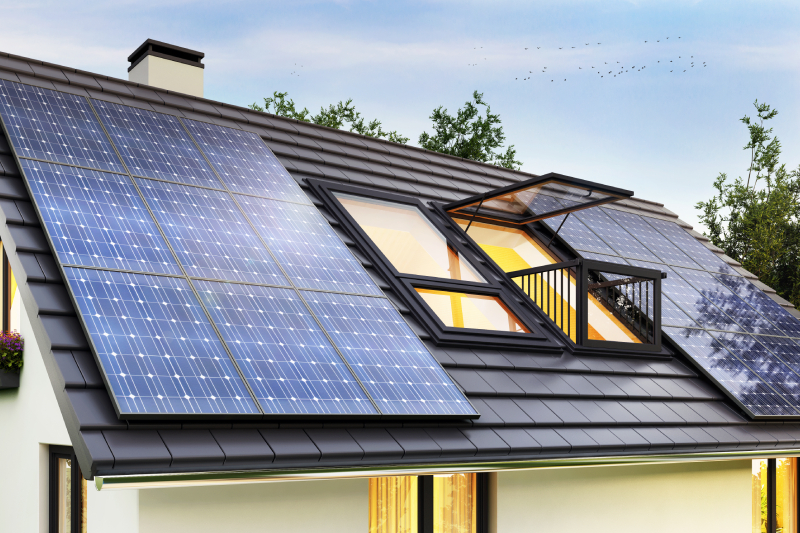
Solar energy is a game changer for those in secluded areas, offering a green and increasingly cost-effective way to keep the lights on. The shift to solar energy is not just eco-friendly. It is also economically smart.
Solar panel efficiency and savings hinge on home electricity use and system size. The position and sunlight exposure of your roof are crucial, too. Larger systems may cost more upfront but can significantly lower electricity bills. According to the U.S. Department of Energy, the cost of solar energy has been falling since 2009, making it an appealing choice for many.
For those who cannot mount panels on their roofs, community solar projects are an excellent alternative. These initiatives let folks tap into solar energy without personal installations, broadening solar’s reach. Joining a local solar farm means contributing to a greener planet and enjoying the financial perks.
Wind Energy Capturing the Breeze for Remote Homes
Wind energy offers a green electricity source, especially suitable for remote dwellings. Wind turbines convert air movement into power. These setups need an average annual wind speed of about 14 mph for optimal performance.
Setting up a home wind system is a considerable investment, but according to the U.S. Department of Energy, it can slash electricity bills by 50 to 90 percent in windy locales. This makes wind energy appealing for those aiming to reduce conventional power use and lessen their environmental impact.
In extremely remote spots, wind turbines provide a self-reliant energy solution, sidestepping the need for costly power line extensions. Savings can vary, but those in the windiest areas might save $45 to $103 monthly, showcasing wind energy’s financial sense under the right conditions.

Hybrid Systems Merging Wind and Solar for Efficiency
Hybrid energy setups blend wind and solar power, offering a powerful and reliable electricity source for off-grid homes. This dual approach ensures electricity generation in various weather, making it a robust option for remote living.
These systems off-grid capability means complete energy independence, potentially eliminating utility bills. Customization is another benefit, allowing tailoring to specific energy needs and local conditions. Yet, professional advice is key to maximizing wind and solar potential.
Read More : Transform Your Home with Green Home Products for Eco-Friendly Cleaning
Hydropower Sustainable Energy from Water Flow
For those with access to flowing water, microhydropower is a compelling renewable choice. It converts water flow into electricity, efficiently powering homes in a green manner.
While setup costs depend on system size and capacity, the electricity savings can make it worthwhile. Savings vary based on current energy use, waterfall height, and water flow rate. Yet, the environmental gain is apparent: hydropower produces power cleanly, unlike fossil fuels.
The Economic Perspective on Renewable Options Costs and Savings
Understanding the financials. initial costs versus long-term savings. is key when considering renewables
- Geothermal systems offer significant long-term utility bill reductions, with initial investments paying off in 5 to 10 years.
- Solar energy is becoming more affordable, with dropping installation prices.
- Wind energy can cut electricity bills by 50 to 90 percent in ideal conditions.
- Hybrid systems could eliminate utility bills for off-grid homes, though batteries are an extra cost.
- Hydropower is cost-effective for those with water access, with savings tied to specific site characteristics.
Government incentives and tax credits can lower the upfront cost, making renewable systems more attainable. Despite the initial outlay, going renewable is a financially and environmentally smart move for homeowners.
Embracing a Greener Future The Path to Renewable Energy
Choosing renewable energy is about more than powering homes differently. It is about committing to environmental care and gaining energy independence. For remote homeowners, this transition is empowering and financially beneficial. Whether geothermal, solar, wind, hybrid, or hydropower, each option reduces carbon emissions and utility costs, reshaping our home’s bond with nature.