
Imagine a world where managing and distributing energy is optimized to its fullest. This is where intelligent grid technology integrates cutting-edge information and communication technologies to strike a dynamic balance between electricity supply and demand. It boosts efficiency and encourages renewable energy, steering us towards more sustainable energy systems. As we search for ways to meet increasing energy demands without harming our planet, grasping the basics of smart grids is crucial. This article delves into their economic and technological promise, highlighting their critical role in forging a more efficient, resilient, and sustainable energy future.
Smart Grid Basics Understanding Their Role
Smart grids signal a significant leap in how we manage and distribute electricity. They use advanced technologies to make the electricity supply system more efficient, reliable, and green. By blending real-time data analytics with electrical networks, intelligent grids ensure energy is used more efficiently and sustainably, integrating renewable sources like solar and wind into the grid.
Moving from traditional to intelligent grids represents a shift towards more sustainable energy systems. Traditional grids, with their one-directional electricity flow, often face inefficiencies and lack the adaptability needed for today’s energy demands and renewable integration.
Smart grids, however, with their two-directional communication capabilities, offer solutions to these issues. They enable precise real-time monitoring and management of the electricity network, enhancing the system’s adaptability and resilience.
In short, intelligent grids merge technology with energy, creating a path to a more efficient, resilient, and sustainable electricity system. As we delve deeper into their capabilities and benefits, we see that their role is essential in shaping our energy future.
How Smart Grids Work A Technical Overview
At the core of smart grid technology lies the Internet of Things (IoT), which enables seamless data and electricity exchanges across the electrical network. This two-directional flow distinguishes smart grids from traditional ones, which operate on a one-way system from power generation to the consumer. IoT technology allows smart grids to monitor and adjust supply and demand in real-time, averting network overloads and ensuring a secure, reliable electricity supply.
Smart meters are key to the functionality of smart grids. They give both utilities and consumers precise data on electricity use, promoting more efficient energy consumption and cost reductions. Through real-time analytics, smart meters detect energy use patterns, aiding in power distribution optimization and waste reduction.
Smart grids address the inefficiencies and limitations of traditional grids by fostering a more dynamic and interactive energy system. They provide solutions for fluctuating demand management and secure electricity supply. Furthermore, smart meters and IoT technology empower consumers to manage their energy use, leading to potential savings and a smaller carbon footprint.
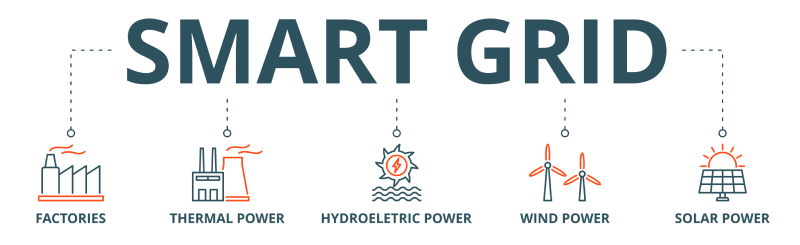
Smart vs. Traditional Grids: A Comparative Analysis
The shift from traditional to intelligent grids marks a crucial step towards more efficient, adaptable, and resilient electricity networks. Unlike traditional grids’ hierarchical, demand-driven structure, intelligent grids are dynamic and interconnected. With their one-way electricity flow, traditional grids face challenges in efficiency and renewable energy integration. Smart grids, through two-way communication and real-time analytics, solve these problems by enabling precise energy flow monitoring and management. This enhances the grid performance and flexibility, laying the groundwork for a greener energy future.
Economic & Environmental Benefits of Smart Grids
Smart grids revolutionize electricity distribution and management, delivering economic and environmental advantages vital in today’s energy scenario. By optimizing energy use and minimizing waste, they generate savings for consumers and utility providers alike.
The economic benefits of smart grids are significant. Real-time electricity use data helps consumers manage their energy more effectively, lowering bills. For utility providers, real-time monitoring and management slash operational costs and enhance system reliability, cutting down on outage and electricity theft expenses.
Smart grids also introduce dynamic pricing models, varying electricity prices based on demand and time, encouraging off-peak energy use. This not only reduces consumer costs but also aids utility providers in demand management, decreasing the need for costly peak-time energy production.
Intelligent grids have a significant environmental impact. They boost network efficiency, significantly cutting greenhouse gas emissions. They also reduce fossil fuel dependence by facilitating renewable energy integration, promoting a more sustainable, resilient energy system.
Moreover, they improve energy efficiency, reduce waste, and contribute to more sustainable resource use. This is key in combating climate change, as heightened energy efficiency significantly shrinks the energy sector’s carbon footprint.
Read More : Choosing Between Connected and Off-grid Solar in United States
Technological Innovations in Smart Grids Explored
Smart grids harness various advanced technologies to boost performance, reliability, and customer satisfaction. Key innovations include
- Advanced demand forecasting
- Advanced Metering Infrastructure (AMI)
- Big data analytics
- Distributed Energy Resources (DERs)
- Vehicle to Grid (V2G) technologies
These technologies are crucial in enhancing smart grids, setting the stage for a future of efficient and sustainable energy management.
Smart Grids Challenges and Future Outlook
While smart grids promise a lot, they face challenges like timing synchronization, interoperability issues, and security concerns. Despite these hurdles, the future looks bright for smart grids. Technology and market growth advancements suggest a promising path for sustainable, efficient energy systems.
The Promise of Smart Grids Shaping a Sustainable Energy Future
As we tackle modern energy challenges, smart grids are a critical solution, pushing us towards a more sustainable, efficient future. These systems address traditional grid issues and enable renewable energy integration and more innovative energy use. Leveraging intelligent grid technologies can lead to significant economic and environmental improvements. The road to a greener, more efficient energy landscape is fraught with challenges, yet the potential of smart grids shines as a beacon of hope.