

In this time, caring for our planet has never been more vital. Taking up methods that cut down on waste is not just an option. It is a must for us all. Moving towards lessening our eco-footprint opens the door to a sustainable way of life, affecting our existence and the earth’s health. By focusing on easy-to-follow advice and tangible steps, anyone can make strides in reducing waste, paving the way for a cleaner future. This guide aims to arm those who care about the environment with the basics, strategies, and advice needed to start a zero-waste journey. By tackling waste bit by bit, we are part of a more significant, positive change in our world and how we interact.
Core Principles of Zero Waste to Embrace
Gripping the basics of zero-waste living is key to sustainable living. These guidelines help us make choices that reduce waste and shrink our eco footprint.
Let us explore these essential zero-waste basics.
- Refuse items you do not need. This means saying no to single-use items, unwanted freebies, and too much packing, which are often seen in trash sites. By refusing waste makers, one can greatly reduce environmental harm.
- Reduce how much you buy. This idea pushes for a more straightforward way of life, making us think before buying. It favors items made to last over throw-away goods.
- Reuse what you can. Before you toss, think: Can this be fixed, reused, or given to someone? This idea keeps items in use longer, helping to lessen waste.
- Recycle with care. View recycling as a last step after you have refused, reduced, and reused. It is about turning old items into new ones, though it is vital to know recycling limits and pick items that recycle well.
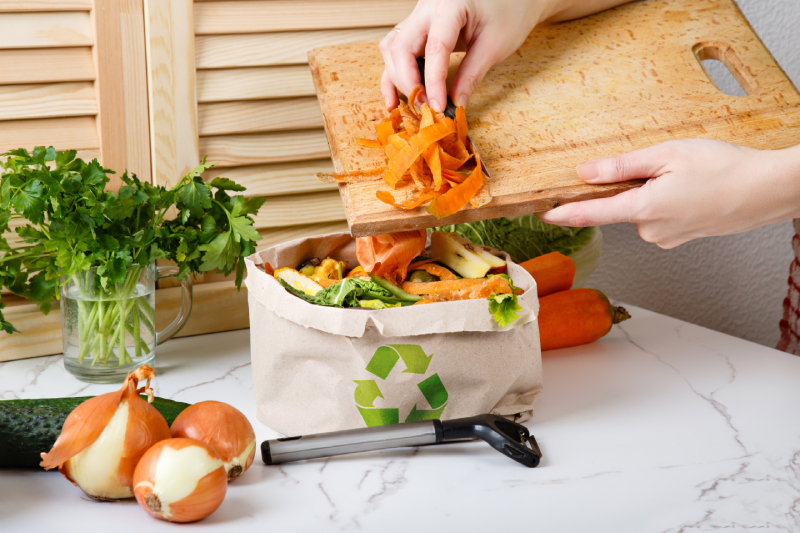
- Rot (Compost) your bio waste. Turning food scraps and lawn clippings into compost reduces methane from trash sites and enriches the soil, encouraging the return of organic matter to the earth.
Adapting to these basics means changing how we think and act daily. It highlights the need to consciously choose a sustainable way of life.
Understanding Zero Waste Living for Sustainability
Zero-waste living is not just a lofty goal but a practical, meaningful way to support our planet. It is about aiming to create no trash that ends up in dumps or burners. Take inspiration from Lauren Singer, who managed to keep three years’ worth of her trash in a single jar. Her story shows us that with thoughtful choices and habit changes, a zero-waste life is possible.
Adopting this way of life means a big shift in how we see our daily actions and decisions. It involves choosing items with less packing, bringing along reusable bottles, and choosing washable over disposable. By making these small, green changes, we can greatly reduce our waste.
This lifestyle lowers our eco-footprint and leads to choices that better our planet’s health. Moving to zero-waste living is based on principles guiding us toward thoughtful consumption. Understanding and embracing these guidelines is crucial for anyone wanting to cut their waste and make a positive change.

Practical Steps for Effective Waste Reduction
To cut down on the trash we add to dumps, here are some easy steps to begin with
- Items like paper, cardboard, glass, plastic, and metal—which are often used in daily life—can be recycled in particular bins.
- Setting up a recycling station in your space, maybe in the kitchen, utility area, or garage, helps organize the recycling process. Marking bins for different recycling types aids in sorting.
- Conducting a waste audit helps spot the primary waste sources at home. This insight guides us in reducing these items in our lives.
- Choosing reusable items such as bags, bottles, glass containers, utensils, and plates helps the planet and saves money over time as we buy fewer disposables.
Choosing a lifestyle that values these steps is vital to sustainable living. Each small action contributes to the more significant goal of saving resources.
Read More : Boosting Home Energy Smart Moves How to Cut Costs and Help the Planet
DIY and Repurposing for Creative Waste Reduction
DIY and repurposing bring many pluses for cutting waste, like
- Fixing broken or old items makes them last longer, avoiding the need for new purchases and reducing the environmental impact of making and throwing away goods.
- Repurposing items means turning them into new, useful things, like making old shirts into bags or face coverings. This avoids waste and sparks creativity.
- Donating goods helps them stay in use, supports those in need, and reduces waste.
Every small effort counts towards a greener future as we try these creative waste-cutting ways.
Building a Sustainable Future with Conscious Choices
Choosing a life focused on waste reduction is more than just actions. It is a pledge to help our planet thrive in the coming times. By opting for reusables, putting recycling and composting first, and making thoughtful buying decisions, we all help build a greener world. Our journey to a zero-waste life includes chances to learn, evolve, and join others. By picking sustainable habits daily, we lessen our impact and motivate our circle to think about their part in protecting our earth.