

In our world today, the push for environmental sustainability is more crucial than ever. As homeowners and individuals who care deeply for our planet, you are looking for effective methods to lessen your environmental impact. Among various approaches, Water Saving Systems are a vital method for crafting eco-friendly living spaces. These approaches include a variety of strategies and innovations aimed at decreasing water use and waste. This, in turn, aids in preserving our Earth’s most vital resource. From small daily acts to major adjustments at home, diving into the world of Water Saving Systems provides valuable insights. These insights empower you to take decisive steps in conserving water through meaningful home modifications.
Understanding Water Conservation The Basics
Today, conserving water is more important than ever due to the dwindling availability of freshwater. For you, the homeowner, and anyone looking to make a positive environmental impact, grasping the fundamentals of water conservation is crucial. It is about smartly managing our water resources to secure a clean water supply for coming generations. It goes beyond merely aiming to cut down on utility expenses. It is about safeguarding a vital life resource.
According to the U.S. Geological Survey, only 2% of Earth’s freshwater is locked away in ice caps and glaciers, with the remainder being saltwater. This fact highlights the urgency of conservation efforts, considering only a slim portion of Earth’s water is fit for human use. With our global population increasing, the strain on this limited resource intensifies, making individual efforts to save water increasingly significant.
Daily Water Saving Practices for Eco-Friendly Homes
Adopting everyday water-saving habits is a simple yet impactful step towards environmental conservation.
To truly make a dent in water conservation, consider these easy yet powerful daily habits
- Ensure dishwashers and washing machines are fully loaded before running.
- Shorten your showers and turn off the water while applying soap.
- Switch to a showerhead that uses less water.
- Find new uses for water instead of throwing it away, like for indoor plants.
- Keep the faucet off while brushing your teeth or cleaning dishes.
- Stay vigilant for any leaks and fix them without delay.
- Upgrade to appliances and fixtures that use water more efficiently.
- Adopt mindful gardening practices to optimize outdoor water use.
By weaving these practices into our daily routines, we significantly lower our water footprint, aiding in pursuing a more sustainable environment.
Long-term Investments in Water Saving Systems
On the path to eco-friendly living, long-term investments in Water Saving Systems are becoming increasingly appealing to you and others committed to environmental conservation.
For those aiming to deeply impact water conservation, these long-term investments are worth exploring
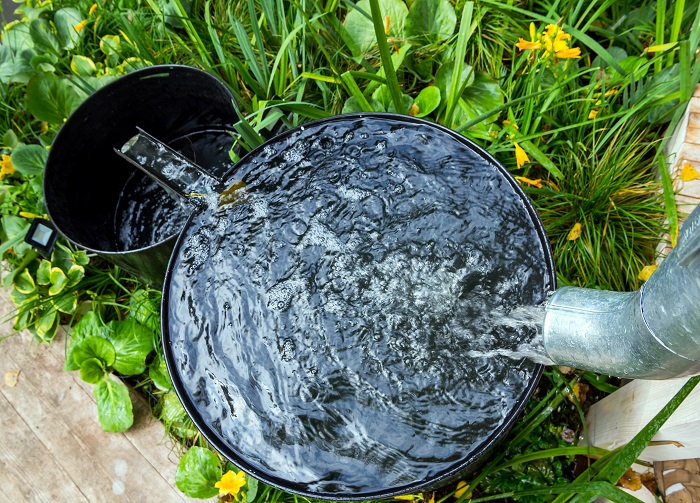
- Setting up systems to collect and use rainwater.
- Updating to appliances and fixtures that are more water efficient.
- Consider installing toilets, showerheads, and faucets designed to use less water.
Though these investments may have initial costs, the long-term savings and environmental benefits they bring make them invaluable for any eco-conscious home.
Read More : Revolutionizing Homes with Smart Energy Solutions
Eco Friendly Gardening Outdoor Water Conservation
In eco-friendly gardening, choosing plants that need less water is fundamental to reducing outdoor water consumption. These varieties, particularly native ones, flourish with minimal watering, thus aligning perfectly with conservation objectives. By selecting the right plants for sustainability, you can create a stunning and water-efficient garden.
To craft a garden that thrives on less water, consider these eco-friendly gardening strategies
- Opt for plants that withstand dry conditions, especially those native to your area.
- Surround your plants with mulch to help the soil retain moisture.
- Embrace watering methods like drip irrigation or soaker hoses for efficiency.
- Schedule watering sessions during cooler times to minimize evaporation.
These methods contribute to water conservation and ensure your garden remains vibrant and sustainable.
Promoting Community-Wide Water Conservation Efforts
Advocating for community-wide conservation is about more than just individual actions. it requires a collective shift towards sustainability. Engaging the community is key to spreading the practice of saving water. By showcasing ways to foster conservation at the community level, we can make a tangible difference in preserving this vital resource.
Education serves as the foundation for community engagement. Workshops, school programs, and local events can be platforms for sharing insights on the importance of water conservation. These efforts can discuss the limited nature of freshwater and outline actionable steps every household can implement to lower their water use.
Working with local authorities to introduce water-conserving policies and infrastructure, such as public systems for collecting rainwater, can also enhance community efforts. Collaborations among residents, businesses, and government entities can generate shared resources and educational materials that benefit everyone involved.
Empowering Conservation Integrating Water Saving Systems in Daily Life
As we navigate the options for incorporating water-saving measures into our homes and daily routines, it becomes clear that every small action contributes to a broader goal of sustainability and conservation. Embracing Water Saving Systems showcases a dedication to caring for the environment and provides a model for future generations. These eco-friendly practices offer a dual benefit: they reduce utility bills while conserving invaluable water resources. Through deliberate choices and responsible living, you can make a significant difference in the well-being of our planet.