

From when ancient civilizations used wind for sailing to today’s advanced turbines producing clean power, our bond with wind showcases a move towards greener energy sources. This shift, fueled by the need to combat climate change and meet energy demands, blends history, tech, and application. Wind energy symbolizes human creativity, promising a cleaner, more sustainable tomorrow. As we dive into the wind power world, let us see how ancient methods and modern tech fuel our quest for green energy solutions.
Understanding Wind Power Solutions
The journey of wind energy began with the Egyptians using wind for navigation. This evolved into windmills for farming, leading to today’s turbines, which provide clean, renewable energy worldwide.
Capturing wind’s kinetic energy to make electricity offers a clean alternative to traditional fuels, playing a key role in tackling climate change and enhancing energy security. The principle revolves around turbines using wind to turn blades, which drive a generator, producing electricity. This showcases the blend of natural forces with tech advancements, marking a significant step in sustainable energy pursuits.
How Wind Power Solutions Work
Wind power shines with its majestic turbines in our quest for sustainable energy. These structures, through their spinning blades, initiate a process that ultimately generates clean electricity.
Key components play crucial roles in converting wind into electricity. With their large blades, turbines make the first contact with wind energy. Attached to a rotor, these blades turn to drive a generator, where mechanical energy becomes electrical. This electricity is then made compatible with the grid’s needs, smoothly blending nature with tech.
This conversion efficiency is a sign of human ingenuity and crucial for integrating wind energy into the grid, contributing to a greener energy mix. Advanced transmission systems enable this integration, ensuring that wind-generated electricity reaches far and wide.
Types of Wind Power Solutions
Three central systems shine within wind energy, each optimized for different conditions.
- Onshore wind systems These land-based setups are chosen for their lower setup and upkeep costs, though they may face opposition due to noise and visual impacts.
- Offshore wind systems are Positioned in water. They tap into stronger, steadier winds for higher energy output despite facing higher tech and cost hurdles.
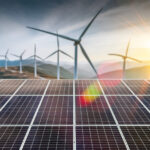
- Hybrid systems blend wind with other renewables, like solar, boosting energy reliability and grid stability.
Location and environmental factors greatly affect system choice, with each offering unique advantages and challenges. Onshore setups are in windy, conflict-free areas, while offshore ones exploit coastal breezes. The choice depends on factors like wind speed, land availability, and environmental considerations.
Tech progress, especially in offshore wind, is overcoming previous barriers, making wind energy more viable and cost-effective. Innovations in turbine design and materials, alongside better installation methods, are crucial for wind energy’s growth, allowing it to play a bigger role in the global energy scene.
Advantages and Challenges of Wind Power Solutions
Wind energy brings significant environmental perks by tapping into natural wind power but also faces hurdles.
- Significant environmental benefits Utilizing wind’s natural power for electricity generation.
- Reduction in carbon emissions: A clear benefit over traditional fossil-fueled sources.
- High initial costs and maintenance issues These barriers can hinder broader adoption.
Yet, the industry remains motivated by the potential for significant returns through tech improvements and cost efficiencies. Ongoing tech progress is tackling these challenges, enhancing turbine efficiency and lifespan. Innovations in turbine tech, such as larger blade designs and better materials, make turbines lighter, more durable, and adaptable to various environments, boosting energy capture and cost-effectiveness. Moreover, the offshore wind sector is growing fast, thanks to tech advances and supportive policies, increasing its energy contribution. Integrating AI and automation in wind farms streamlines operations and maintenance, minimizing downtime and maximizing output.
Weighing wind energy’s pros and cons shows that its environmental benefits surpass the challenges.

Future Trends in Wind Power Solutions
Wind power is entering a transformative era, driven by rapid tech progress in key areas.
- Tech innovations in turbine tech Modern turbines are designed for a broader range of environments.
- Advances in grid integration Allow for wind energy storage when production outpaces demand.
- AI and automation in wind farms Transforming farm operations.
These ongoing innovations promise to cement wind energy’s role in our energy future, contributing to a sustainable and resilient energy landscape.
Read More : Cost Comparisons Shedding Light on Renewable Energy Affordability
Shaping Tomorrow Embracing the Potential of Wind Power Solutions
Navigating through wind power complexities and evolutions reveals a path towards a renewable energy future. Wind power is a crucial part of this shift as we lean towards cleaner, more efficient sources. Tech advancements and global energy mix integration prove wind power source viability and reflect our collective efforts to lessen our carbon footprint. The promise of a sustainable future is tied to our capability to utilize and optimize renewables like wind. With ongoing innovation and a commitment to sustainability, wind energy’s potential to forge a cleaner, more resilient world is vast.